AP World History 2012-2013
  • Unit 1
    • 1.1.3: Tools and Adaptation>
      • Case Study
      • AGMSPRITE Analysis
    • 1.3.9 & 1.3.2: New Religions & Geographies of Early Civs.>
      • Early Religions>
        • AGMSPRITE Analysis
        • Works Cited
      • The Early Civilizations>
        • Case Study
        • AGMSPRITE Analysis
        • Works Cited
    • 1.1.2: Humans and Fire>
      • 1.1.4: Economic Structures>
        • Case Study
        • AGMSPRITE Analysis
      • Case Study
      • AGMSPRITE Analysis
    • 1.3.6: Arts & Record Keeping>
      • Arts and Artisanship
      • Systems of Recordkeeping
      • Case Study: The Phoenician Alphabet
      • AGMSPRITE Analysis
    • 1.3.1-1.3.3: Early Culture & Systems of Rule>
      • Culture's Effects
      • Systems of Rule
      • Case Study: Hammurabi's Code
      • AGMSPRITE Analysis
    • 1.1-1.4 Early Human Innovation>
      • 1.1.1: Human Patterns of Migration>
        • Case Study
        • AGMSPRITE Analysis
    • 1.2.1-1.2.3: The Climate & The Neolithic Era>
      • Case Study
      • AGMSPRITE Analysis
    • 1.2.5-1.2.6: Reliable Food Sources & Innovation>
      • Case Study - The Plow
      • Works Cited
    • 1.3.1-1.3.2: Pastoralists & Early Architecture>
      • Introduction
      • Monumental Architecture And Urban Planning
      • Pastoralist Weapon Dissemination And Transportation
      • Pastoralist Tools
      • Basic
      • AGMSPRITE Analysis
      • Works Cited
  • Unit 2
    • 2.2.5-2.2.7 Social Hierarchy and Gender Roles>
      • Gender Roles>
        • Case Study
        • AGMSPRITE Analysis
      • Social Hierarchies >
        • AGMSPRITE
    • 2.2.4 Cities>
      • Trade>
        • Trade AGMSPRITE
        • Trade Case Study
      • Religious Rituals>
        • Religious Rituals AGMSPRITE
        • Religious Rituals Case Study
      • Public Administration>
        • Public Administration AGMSPRITE
        • Public Administration Case Study
    • 2.2.2 Orchestration of the Persian and S. Asian Empires>
      • Persia>
        • Imperial Administration and Legal Systems
        • Military Power
        • Trade and Economic Integration and Regulation
        • AGMSPRITE Analysis
      • South Asia>
        • Imperial Administration and Legal Systems
        • Military Power
        • Trade and Economic Integration and Regulation
        • AGMSPRITE Analysis
    • 2.2.2 Orchestration of Rome and China>
      • China>
        • Imperial Administration
        • Military Power
        • Trade and Economics
        • AGMSPRITE Analysis
      • Rome>
        • Imperial Administration
        • Military Power
        • Trade and Economics
        • AGMSPRITE Analysis
    • 2.2.1: Growth of Empires & States>
      • Case Study
      • AGMSPRITE
    • 2.1.6 Cultures Of Second Wave Civilizations>
      • Sculptures
      • Architecture
      • Literature
      • A.G.M.S.P.R.I.T.E
      • Sources
    • 2.1.1: Religions as a Bonding Force>
      • The Basic Gist
      • AGMSPRITE Analysis
      • Case Study
    • 2.1.4 Buddhism and Hinduism Impact on Gender Roles>
      • Buddhism
    • 2.1.2 The Emergence of Religions>
      • Christianity
      • Confucianism
      • Greco-Roman Philosophy
      • Daoism
      • AGMSPRITE
  • Unit 3
    • 3.1.1 Third Wave Global Trade Routes>
      • Basic Gist
      • Case Study
      • AGMSPRITE Analysis
    • 3.1.2 The Impact of trade on emerging trading cities>
      • Basic Gist
      • Case Study
      • AGMSPRITE Analysis
    • 3.1.3. Spread of Islam Through Afro-Eurasia>
      • Basic Gist
      • Case Study
      • AGMSPRITE
    • 3.1.4 Inter-Regional Travelers >
      • The Basic Gist
      • Compare and Contrast
      • AGMSPRITE Analysis
    • 3.1.5. Cultural Interactions and Art>
      • The Basic Gist
      • Cultural Traditions AGMSPRITE
      • Art AGMSPRITE
      • Literature AGMSPRITE
      • Case Study
    • 3.1.6: The Impact of Newly Spread Technologies and Scientific Knowledge>
      • Basic Gist
      • Movement of Gunpowder from East to West
      • Movement of Printing from East to West
      • AGMSPRITE Analysis
    • 3.1.7 Inter-Regional Conflicts>
      • Case Study
      • AGMSPRITE Analysis
  • Unit 4
    • 4.1.1. - Influence of Tools Upon Transoceanic Trade>
      • Basic Gist
      • Case Study
      • AGMSPRITE
    • 4.1.2: Maritime Reconnaissance>
      • Basic Gist
      • AGMSPRITE Analysis
    • 4.1.3 World Economies>
      • Basic Gist
      • AGMSPRITE analysis
      • Case Study
    • 4.1.4 The Colossal Impact of the Colombian Exchange>
      • Basic Gist
      • Case Study on Sugar
      • AGMSPRITE Analysis of the East
      • AGMSPRITE Analysis of the West
    • 4.1.5 Government and the Arts>
      • Case Study
      • AGMSPRITE
    • 4.2.3 Forced Migration of Africans Cause and Effect>
      • Basic Gist
      • Causes of the forced migration of Africans
      • Effects/Developments of the forced migration of Africans
      • AGMSPRITE Analysis
    • 4.3.2 Impact of Technology on state consolidation and imperial expansion>
      • Basic Gist
      • Case Study
      • AGMSPRITE
  • Unit 5
    • 5.3.1 US and Latin American Revolutions >
      • Basic Gist
      • Case Study
      • AGMSPRITE
    • 5.3.2b Hatian Revolution>
      • Basic Gist
      • AGMSPRITE
    • 5.3.2a: Causes and Effects of French Revolution>
      • Causes of the French Revolution
      • Effects of the French Revolution
      • AGMSPRITE
    • 5.3.2c Causes and Effects of the Mexican Revolution>
      • Basic Gist
      • Causes of the Mexican Revolution
      • Effects of the Mexican Revolution
      • AGMSPRITE Analysis
    • 5.3.3: The Winds of Change>
      • Case Study
      • The Conception of Nation-States
      • Nationalism on the Rise
      • AGMSPRITE Analysis
    • 5.3.4 Nationalism and Democracy >
      • Case Study
      • AGMSPRITE
      • 5.3.5 Enlightenment and European Despots>
        • Basic Gist
  • Unit 6
    • War and Peace in a Global Context>
      • Big Gist>
        • WWI vs WWII
      • Case Study
      • AGMSPRITE
    • Changing Economics>
      • Basic Gist
      • AGMSPRITE
      • Case Study
      • Case Study
      • AGMSPRITE
    • Demographic and Environmental Changes>
      • Basic Gist
      • Case Study
      • AGMSPRITE Analysis
    • 20th Century Globalization>
      • Basic Gist
      • Case Study
      • AGMSPRITE
    • Effects of Revolutions on Women>
      • Basic Gist
      • Case Study
      • AGMSPRITE
    • New Patterns of Nationalism >
      • Basic Gist
      • Independence of Vietnam Case Study
      • Effects of Communism Case Study
      • Chinese and Russian Revolutions
      • AGMSPRITE
    • Globalization of Science, technology and culture. >
      • Basic Gist
      • Case Study
      • AGMSPRITE

Public Administration

Public Administration Homepage
Case Study

AMGSPRITE


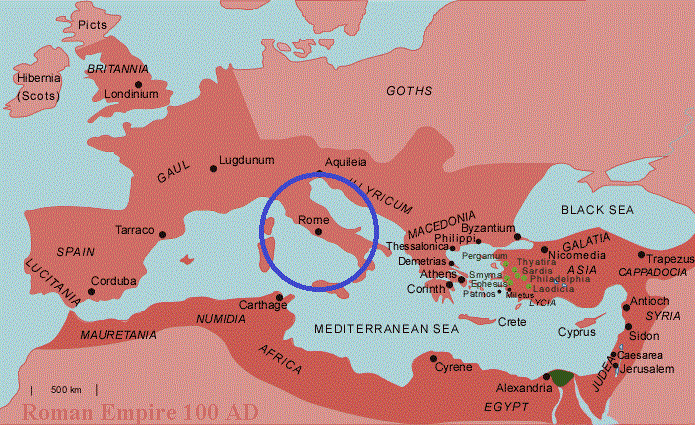
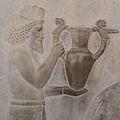
Big palaces and buildings were used as places for rulers to have audiences that they would give commands to. These palaces also had lots of decoration in them, which can be seen inside the Apadana Palace in Persepolis. Many major cities in ancient civilizations were near the center of their territory. This allowed them to easily distribute their law. This can be seen with the placement of Rome. The military was used to enforce laws and actions that the government dictated. Rome is a prime example of this; while under the reign of Augustus, the empire was divided into seven “wards” which were each given 1000 men for protection as well as to keep order. At the top of all ancient civilization’s social hierarchies were the rulers and politicians; anyone that made big decisions for their empire. In some places, these elites were chosen by birth, such as in the Mauryan city of Pataliputra. Other places, like Rome, elected their government officials. Public administration completely revolves around a cities political structure. The Persians used a system of representatives to govern their empire. These “satraps” were each in charge of a different area, and would all report back to the emperor. Rome also used representatives in their republic.

Picture
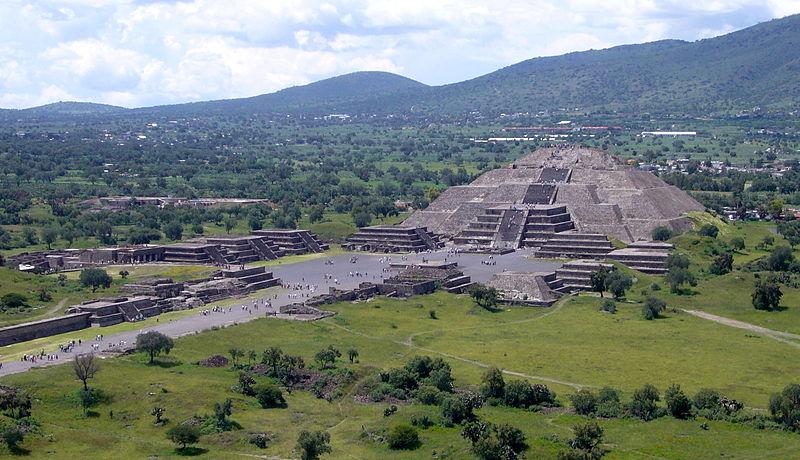
A religious building in Teotihuacan
Picture
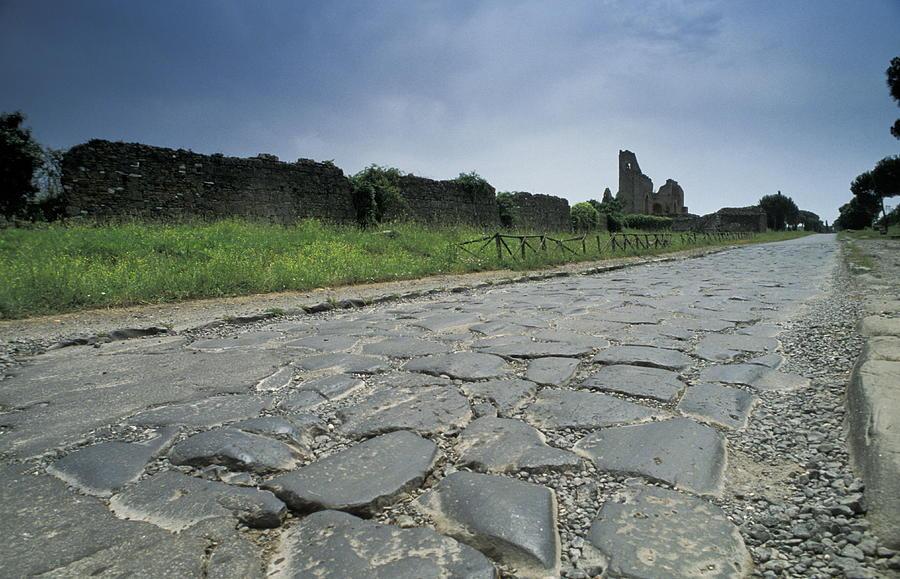
Roman road
Picture
Map showing Rome's location within the empire
Picture
Art from the walls of the Apadana Palace in Persepolis

The political structure in Teotihuacan was completely based on religion. Their religious leaders were their political leaders. Public administration was carried out by these leaders, and was completely influenced by religion. Intelligence also had a big influence on public administration. Elites were put into political positions, and were better educated than the other people in the empires. Pericles, who ruled Athens from 461 to 429 BCE, was educated by two very intelligent philosophers: Anaxagoras and Zeno of Elea. Pericles used his knowledge to bring in a lot of revenue, a large part of which was spent on creating public works projects. Technology allowed for rulers to communicate their laws and decrees more effectively. This can be seen with Rome’s paved roads. Technology also made some things possible for governments to do, such as the defensive wall Pericles had built. They required a lot of material, which had to be transported in carts to be able to construct something that large. Part of public administration was collecting taxes. Alexandria was home to the central bank of Egypt, and had records of all the transactions of the various grainery banks throughout the empire. This allowed the rulers to easily tell how much they had collected in taxes.
Powered by Create your own unique website with customizable templates.